

A large home library is easier to clear when you separate the decisions from the lifting. First decide what must stay, then identify anything that needs special attention, and finally arrange a destination for the main collection. You do not need to price or catalogue every ordinary paperback before you can make progress.
This approach works for a move, downsizing, or a family clear-out. The pace can change to suit your deadline, but a few clear rules help prevent donated books from being mixed with the ones you still want.
Agree on what the clear-out must achieve
Be specific about the space you need. Perhaps you want one bookshelf left in a smaller home, or need a study empty before renovation. “Keep the books that fit these two shelves” is easier to use than “keep fewer books.”
If the collection belongs to more than one person, agree on who can make each decision. For a family collection, set aside books with inscriptions, family history, photographs, or personal notes for the appropriate person to review. Do not treat a relative's silence as agreement to give everything away.
Use four simple groups
- Keep: books you use, love, or specifically want to retain.
- Offer to someone: copies promised to family or a reader who wants them.
- Donate: the main group ready for an agreed receiving organization.
- Ask first: fragile, unusual, damaged, or potentially special items.
Use a short, separate review list for the “ask first” group. A small note about a signed copy or family-owned set saves you from repeatedly unpacking it. Keep this group away from donation cartons until someone makes the decision.
A book's age, original purchase price, or ornate binding does not give you a reliable resale value by itself. If a possible collectible matters to you, seek advice from a relevant bookseller or specialist before including it in a general donation.
Work through one shelf at a time
Choose a small section, make the decisions, and pack that section before opening another. This keeps the room usable and gives you a visible stopping point. You can repeat the same routine over several sessions without turning every surface into a temporary pile.
Check inside covers and loose pages for private material. Return borrowed books to their owner instead of donating them. If you want a record of a favorite collection, take a shelf photograph before packing. A photograph can preserve the arrangement without committing you to keeping every volume.
Remove books gently from crowded shelves. The Canadian Conservation Institute's book-care guidance recommends holding the middle of the spine rather than pulling its top. Support large or heavy volumes with both hands.
Book the collection before the final rush
Once you know the rough volume, send a pickup request. Include your address, approximate book or box count, and any deadline. Describe the collection's main subjects and mention condition issues. Our team checks your location and available routes before confirming a date.
Explain access as well as quantity. A dozen cartons beside an accessible entrance is different from the same load in an upstairs room. Tell us about stairs, elevator bookings, limited loading access, or an unusually heavy set. Do not promise a building collection time until the relevant arrangements agree.
Pack in manageable stages
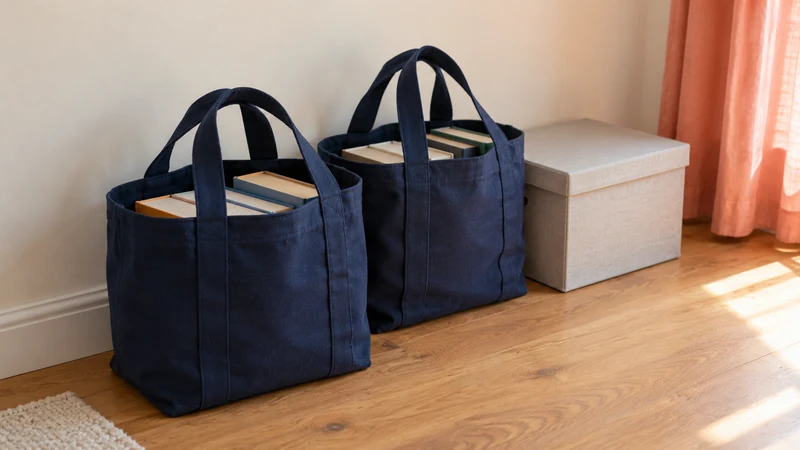
Use sound boxes or bags and keep them in a dry place. Split heavy loads into smaller containers. Give yourself a clear path through the room and avoid stacking cartons where they block exits or shared hallways.
You can number boxes for your own records if that helps, though Sustainable Books does not require special labels. A simple count matters more for planning than a spreadsheet of every ordinary title. If the donation grows after booking, let the team know.
Have a practical alternative
If your deadline arrives before an available pickup, check our warehouse drop-off details. Choose this option only when you can transport the collection and arrive within current opening hours. Arrange help for loading if you need it.
For books going directly to a school, library, or community group, confirm that the recipient wants those books before transporting them. A clear-out deadline does not tell another organization what it has space to receive.
Finish with the remaining decisions
After the main collection leaves, return to the special items and keepers. Give promised books a clear handoff date and put retained books where you can enjoy them. You can read how Sustainable Books handles collected books if you want to understand the next stage.
A successful clear-out makes the space useful again while giving the books a considered destination. You can achieve that one shelf and one manageable box at a time.