
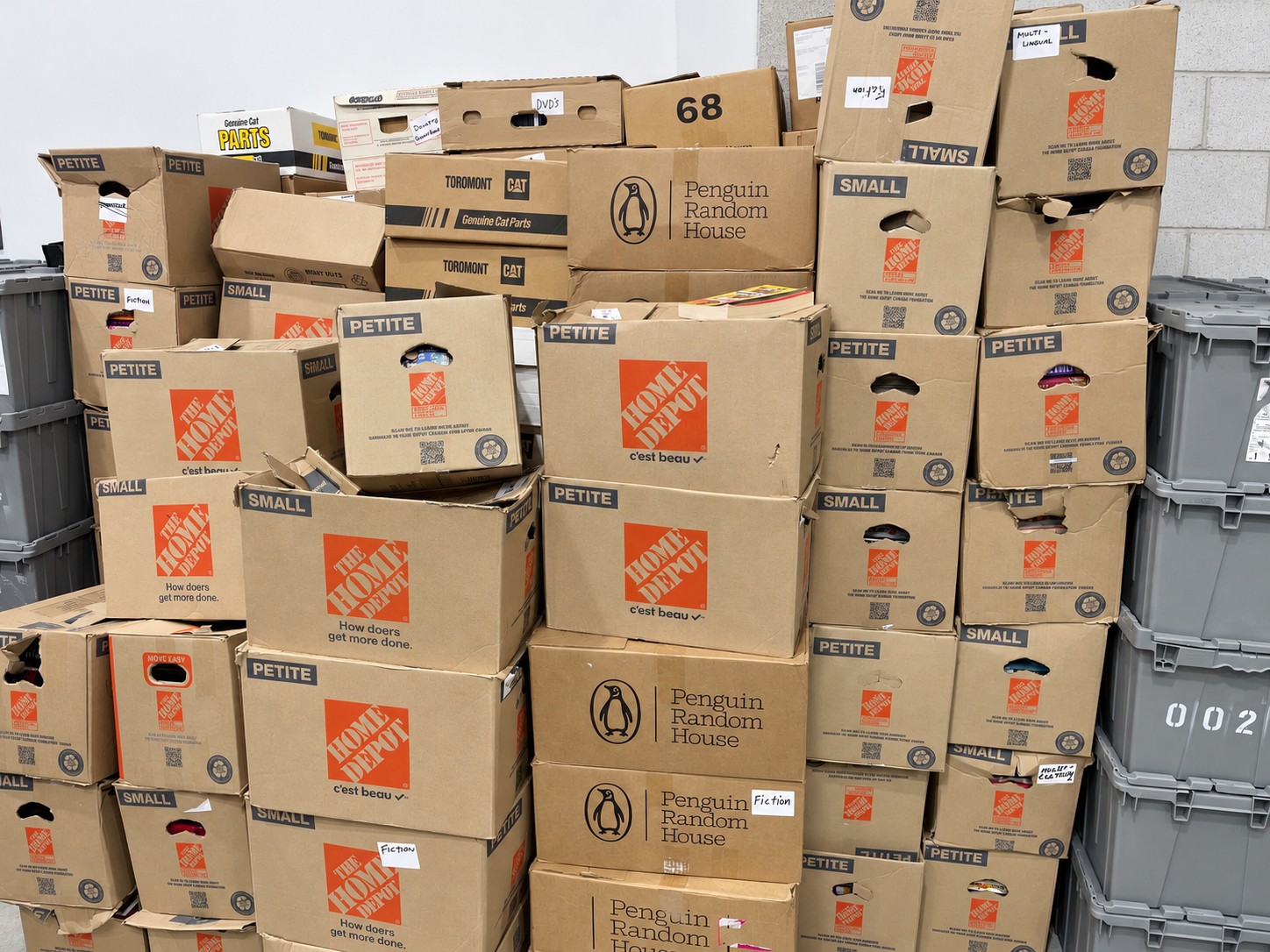
The last customer has left, but the room is still full of books. For a library or Friends-group sale, the useful question is not simply where to donate the leftovers. It is which books you are keeping, where the rest can go, and who will finish the job before the room is needed again.
Give each batch a destination and one person responsible for it. A short closeout sheet helps the final volunteers distinguish books staying for the next sale from books leaving now, without having to remember every conversation from a busy weekend.
Put three finish times on the plan
Write down when selling ends, when the room must be handed back, and when an agreed recipient or collector can receive the outgoing books. Those times may fall on different days. If collection comes after the room deadline, you need an agreed place to hold the books in between.
Ask the room contact what handing it back involves. Does your group need to remove tables, clear a cupboard or leave an aisle empty? Decide who handles those jobs as well as the books. Otherwise, the last few volunteers can inherit a cleanup task that nobody allowed time for.
Contact a possible recipient before the sale, using an estimated range for the leftovers. Then agree when you will update the estimate. A conversation about a possible collection is not a confirmed appointment.
Choose what you are actually keeping
Some books may be worth holding for another sale. Have the sale coordinator approve that selection and identify the storage space before volunteers start packing. “Keep these for next time” needs both a place and someone who will move them there.
Keep retained stock visibly separate from outgoing books. A simple label naming the next sale or storage location is more helpful than a pile marked “good books,” which leaves the next volunteer guessing. Do not leave the decision until a collector is waiting at the door.
Books still belonging to the library's active collection need their own decision. For withdrawal approvals, records and preparation, use our school and library clear-out guide. This closeout plan starts with books your sale team has authority to keep or pass on.
Give each outgoing batch a confirmed destination
Different recipients may want different material. Confirm the proposed batch with each one, rather than telling several groups they can take whatever remains and hoping their needs fit together.
There are established onward routes, but their rules differ. For example, Winnipeg Public Library describes offering unsold sale materials to non-profit agencies. That is a particular program, not an assurance that a nearby organization can accept your group's books.
For every proposed transfer, name the recipient, the person arranging transport, and the agreed receiving time. Note what is still unconfirmed. If the first option falls through, decide who will choose the alternative and when that decision must be made. A backup cannot depend on leaving books at a closed building or an unattended donation point.
Use one closeout sheet for the whole room
A shared sheet can be paper or a simple document. Use one row per batch, with these fields:
- Batch label and approximate quantity, keeping boxes and individual books as separate units.
- Decision: retain, transfer to an agreed recipient, or await a named person's decision.
- Destination and any receiving conditions that have been confirmed.
- Person responsible for moving or arranging that batch.
- Time the books must leave the sale room, plus any temporary storage location.
- Current status and the next action still needed.
- Actual handoff date and quantity once the books have left.
Leave an unresolved batch visible on the sheet. A note saying “recipient asked, awaiting reply” is useful; marking it collected before anyone arrives is not. Give the final shift a copy so they do not have to search through several volunteers' messages.
Close donations as well as sales
Check the notices that invited people to bring books. If intake is ending, remove or update temporary signs and online instructions. Tell the people staffing the entrance what to say when someone arrives with another box after the sale.
If your group continues accepting donations elsewhere, give the confirmed location and hours. Do not redirect late arrivals to a recipient without its agreement. The sale room should not quietly become an ongoing collection point after the team has promised to return it.
Finish with what actually happened
Before the last volunteers leave, walk the room against the closeout sheet. Check the retained stock, every outgoing batch and any books waiting elsewhere. Record who is still responsible for an outstanding handoff.
Keep the final collection record separate from the sale's takings. Report boxes as boxes unless the books were counted, and distinguish books handed over from those still in storage. A collection total does not tell you how many books a recipient eventually resold, donated or recycled.
Sustainable Books welcomes post-sale collection enquiries from libraries and Friends groups. Send the sale date, likely remaining quantity, collection address, room deadline and any temporary storage plan. We will discuss suitability and availability; routes, capacity, access and individual terms need confirmation.
For a larger sale, start the collection conversation before the event. Having an agreed next step lets your volunteers finish the sale without leaving the last boxes for someone else to solve.