
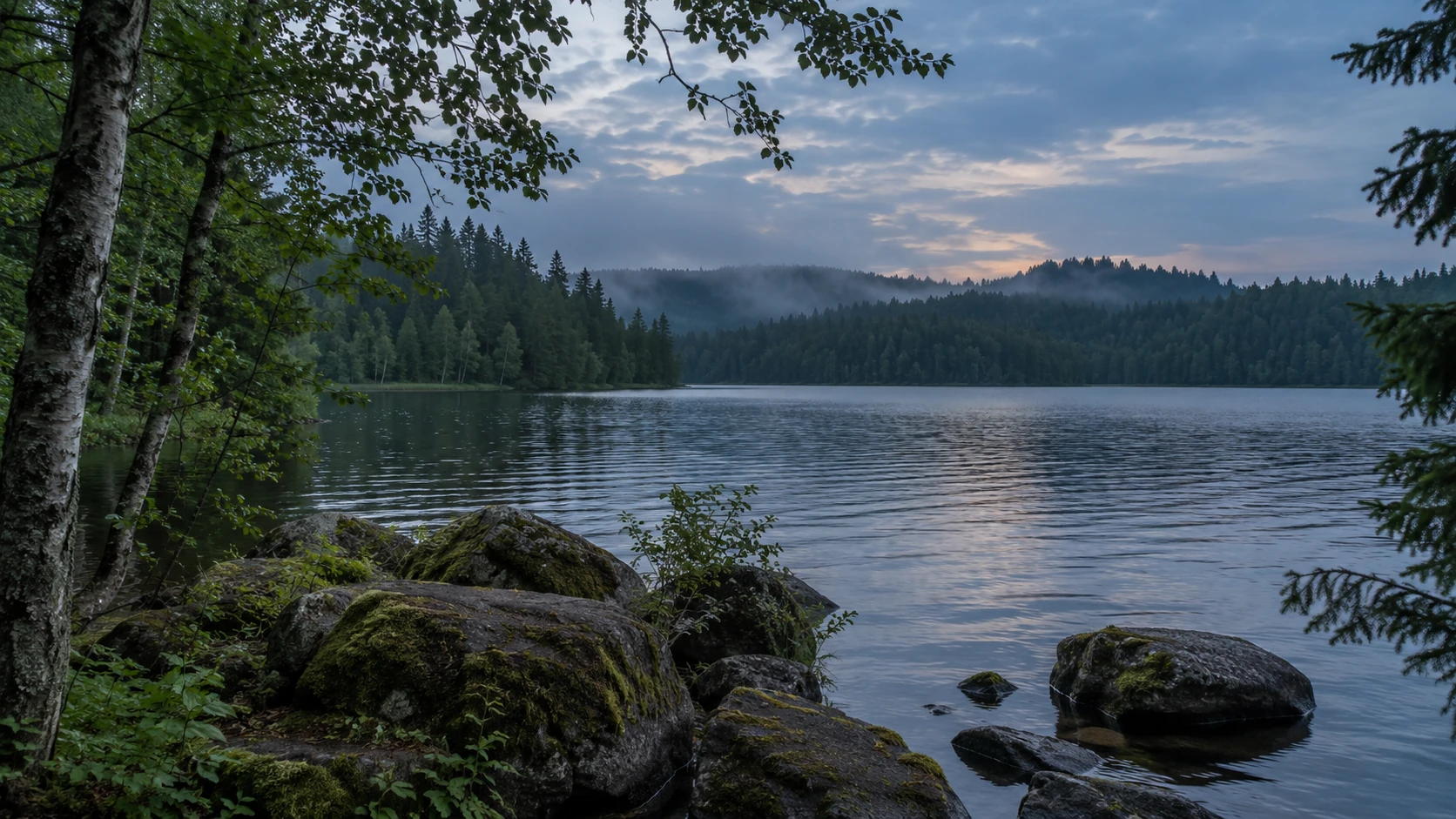
A nature reading list can begin with what you want to notice: a woodland, a small patch of moss, an animal nearby, or the changing seasons. These five books offer different ways to look closely at the living world.
This is a list to explore in 2026, rather than a list of new 2026 releases. It combines established titles with distinct subjects. Choose the book that matches what you want to explore, then use the reading plan to connect it with a familiar place.
The Forest Unseen, by David George Haskell
In The Forest Unseen, Haskell follows a small patch of old-growth forest in Tennessee through a year. The publisher describes how his observations open into questions about biology and the relationships within an ecosystem.
Choose it if you like returning to one place rather than collecting destinations. As a companion exercise, select a familiar tree or a view from your window. Write down the date and what changes. Your notes do not need to imitate a scientist's work to help you pay attention.
Gathering Moss, by Robin Wall Kimmerer
Gathering Moss combines the biology of mosses with personal reflection and cultural relationships. Kimmerer's essays invite readers to notice a part of the natural world that often escapes attention.
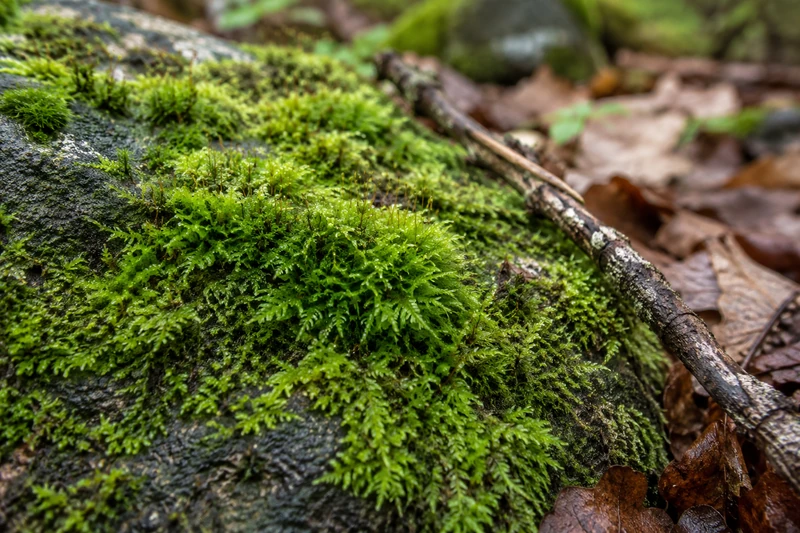
This is a useful choice for readers interested in small details. You can pair the subject with quiet observation of moss from a path or garden edge. Leave living material in place. When identification matters, use a suitable local field guide rather than assuming an essay collection supplies every species name.
The Hidden Life of Trees, by Peter Wohlleben
The Hidden Life of Trees explores forests through Wohlleben's observations and discussion of connections between trees. The English-language edition identifies Jane Billinghurst as translator and includes an afterword by Suzanne Simard.
Choose it if forests are your main interest. Keep the distinction between an engaging description and a scientific conclusion in mind. Words that compare trees with human families are part of how the book presents its subject. Follow the evidence behind a particular claim before repeating it as settled fact.
The Sound of a Wild Snail Eating, by Elisabeth Tova Bailey
In The Sound of a Wild Snail Eating, Bailey describes observing a snail beside her bed during illness. The book connects close attention to a small creature with reflections on her own confined life.
This selection offers a different scale from a forest book. It can suit readers who want a focused personal account rather than a wide survey. Our suggested question is: What do I overlook because it seems ordinary? Treat the book as a narrative, rather than instructions to collect wild animals or advice about health.
A Sand County Almanac, by Aldo Leopold
A Sand County Almanac brings nature observation into a discussion of responsibility toward the land. The Aldo Leopold Foundation describes the land ethic as an ethical relationship between people and nature.
Choose it when you want to connect noticing a place with questions about how people care for it. Read the work in its historical context. For a group discussion, ask where observation ends and a value judgment begins. Readers can share the same concern for a place while proposing different actions.
Read one book alongside one familiar place
You do not need remote travel, new equipment, or a large pile of books to follow this list. Begin with a title that matches your curiosity. Read a manageable section, then pause before moving to the next recommendation.
Try a four-week plan. In the first week, write a question you want the book to answer. In the second, note a detail you notice nearby. In the third, discuss an idea with another reader. In the fourth, decide whether you want a different perspective or more depth on the same subject.
Keep observations modest and specific. “The leaves changed between these two visits” is a useful note. It does not establish a cause, a trend across the country, or an ecological diagnosis. A reading habit grows stronger when curiosity and careful claims develop together.
Borrow, choose used, and pass books along
Check your library before buying a whole reading list. If you want to keep a copy, browse our current used-book listings and verify the title and edition. This article does not promise that the suggested books are in stock.
A collection can change as your interests change. Keep the books you return to and give readable copies a next reader. Our guide to donated books' next chapters explains the Sustainable Books process. That makes room for new questions without treating each reading list as a shopping requirement.