
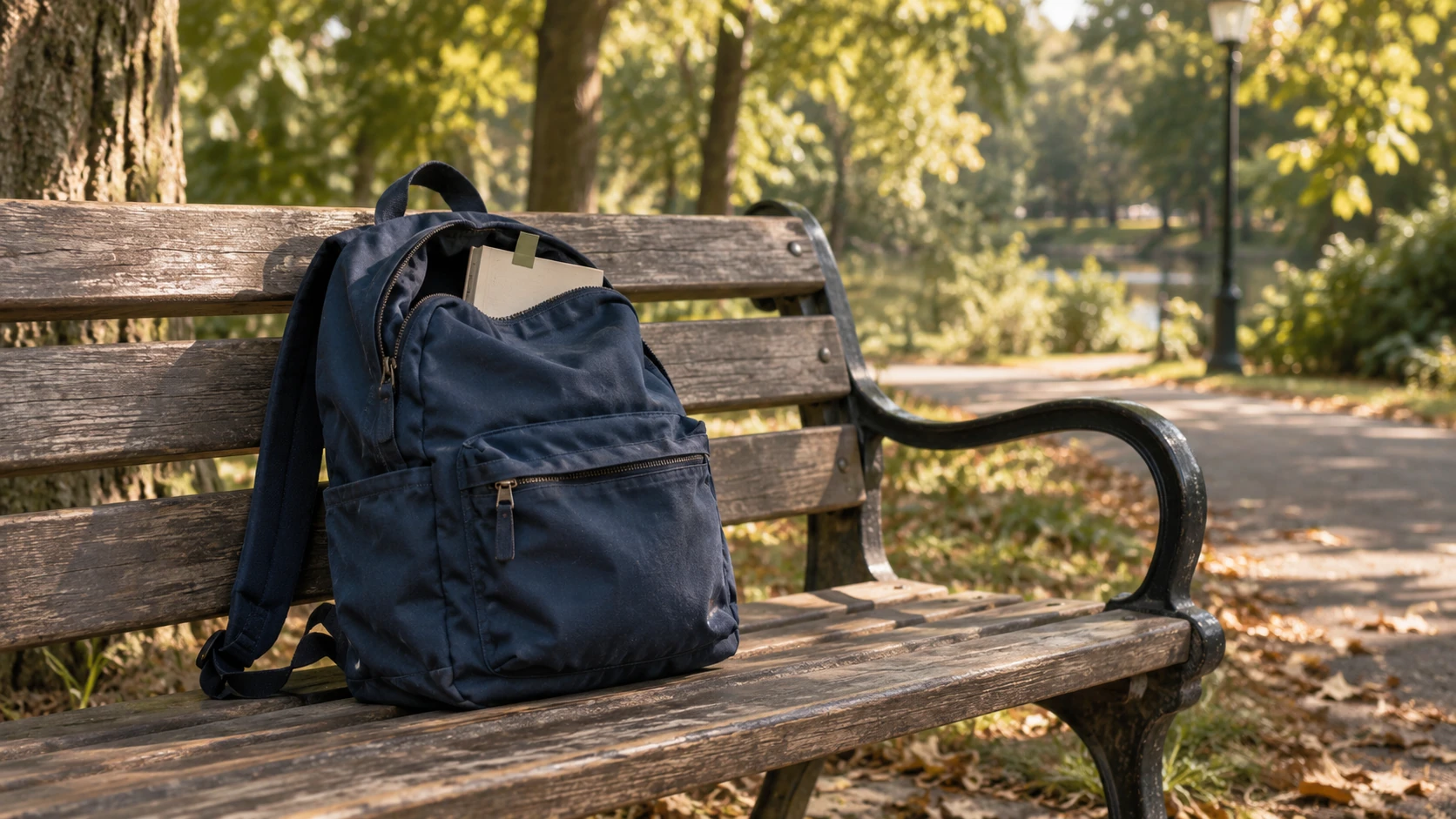
A reading habit with less waste starts with the books you actually read. Use copies you already own, borrow when ownership is unnecessary, and buy books that fit your interests. Keep them usable, then give unwanted readable copies a next reader.
You do not need a perfect format or a dramatic shelf clear-out. A few ordinary choices can reduce unwanted purchases and avoidable damage. The goal is a steady relationship with reading, with fewer books bought, neglected, or discarded without thought.
Start with one book already within reach
Look at your shelves before searching for another recommendation. Choose a book you still want to read, not one you think you ought to admire. Keep it where you usually have a quiet moment.
Set a small, repeatable reading time. Ten minutes after breakfast or one chapter before bed can be a useful starting plan. Adjust the plan around your life.
If you lose interest, change books deliberately. Write down why the first one did not fit. That note helps you choose more carefully next time. Keeping an unread book for years does not make it a useful purchase.
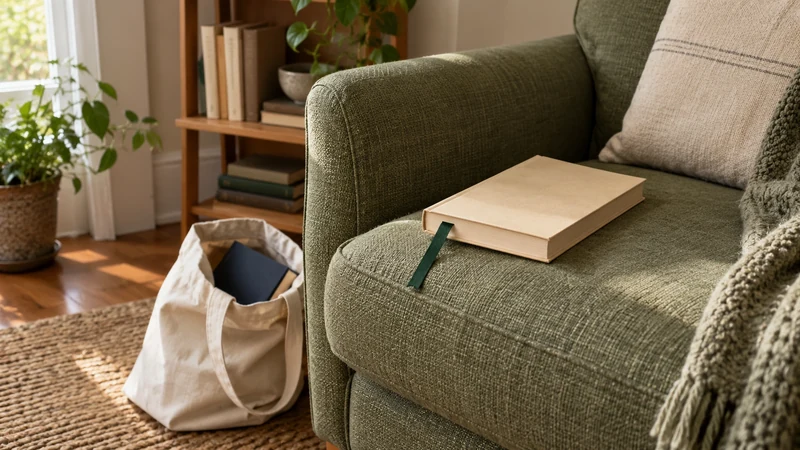
Use a wish list instead of a shopping pile
Keep a short list of titles, with the reason each interests you. Add a format or edition requirement when it matters. Before buying, choose which title you will read next and where the copy will live.
Leave time between seeing a recommendation and placing an order. You can sample an available excerpt, ask a librarian, or check whether a friend has the book. Avoid extra purchases made only to qualify for a discount or shipping offer.
The EPA's waste hierarchy gives priority to reduction and reuse before recycling. For a reader, a simple application is to prevent an unwanted purchase and keep useful copies in circulation.
Borrow for exploration
A loan is useful when you are trying a new author or need a book for a short project. Check your local library's eligibility and borrowing rules. Choose a format you can use comfortably and plan for the return date.
For a concrete Canadian example, Toronto Public Library's OverDrive and Libby guide explains digital borrowing with a valid library card. It includes device information and describes how loans end. Check those details before assuming an ebook works on your device.
Use the phone, computer, or reader you already have when it suits you. We do not claim that digital reading always has a smaller environmental impact than print. The useful question here is whether you can enjoy the book without an unnecessary new purchase.
Buy a copy you expect to use
A used copy can suit a novel you want to keep, a book you will reread, or an older title you cannot easily borrow. Check the language, edition, format, and condition rather than choosing only the lowest price.
You can browse Sustainable Books' current used-book selection. Buy from the actual listing and current terms. A book with acceptable cosmetic wear can serve your reading needs, while a missing page or the wrong edition can defeat the purchase.
Keep gifts thoughtful as well. Ask what the recipient wants, or choose a way for them to select a book. Giving someone an unwanted stack simply moves the storage problem to another home.
Prevent damage through ordinary care
Read with clean, dry hands on a clear surface. Support a book when it is open and avoid forcing the binding flat. The Library of Congress handling guide explains these basic ways to reduce handling damage.
Keep borrowed copies separate from books you can write in. Use removable notes for reading questions, and avoid attaching adhesive material to fragile pages. Carry a book where a leaking drink will not reach it. Small practical arrangements are easier to maintain than elaborate repair plans.
Make passing books along part of the habit
After finishing, decide whether you will reread or refer to the book. If you want to lend it, agree on how to return it. If you want to donate it, check the recipient's current acceptance and preparation rules.
Read how Sustainable Books receives and sorts donated books to understand this option. If collection would help, ask about a pickup for your address. Availability depends on the location and routes.
Try one change this week: finish a book from your shelf, borrow a title, or prepare a few readable books to pass on. Keep the choice small enough to repeat. The measure of a good reading habit is useful reading, rather than the number of books acquired.