

Canadian readers have several alternatives to buying books on Amazon: independent bookstores, used-book shops, publishers' own websites, and public libraries. The right option depends on whether you need to own the book, how soon you need it, and which edition or format suits you.
Start with the title and author. Add the ISBN if the edition matters. A Canadian website, a Canadian seller, and a book printed in Canada describe different things. Check the detail that matters to you instead of assuming that one establishes the others.
Find an independent bookstore
The Canadian Independent Booksellers Association's IndieBookstores.ca guide helps readers find independent stores across Canada. Use its directory to find a nearby shop or a specialist bookseller, then follow the link to the store itself.
A store's own website is the place to check stock, ordering methods, pickup, and shipping. If your title is missing, ask whether the store can order that edition. State your deadline before paying for a book that needs to come from a supplier.
For a gift, tell the bookseller a little about the recipient's interests and preferred format. A useful recommendation can be a better reason to choose a shop than a small difference in price. Keep the recipient's needs central: a beautiful hardback is not useful if they need large print.
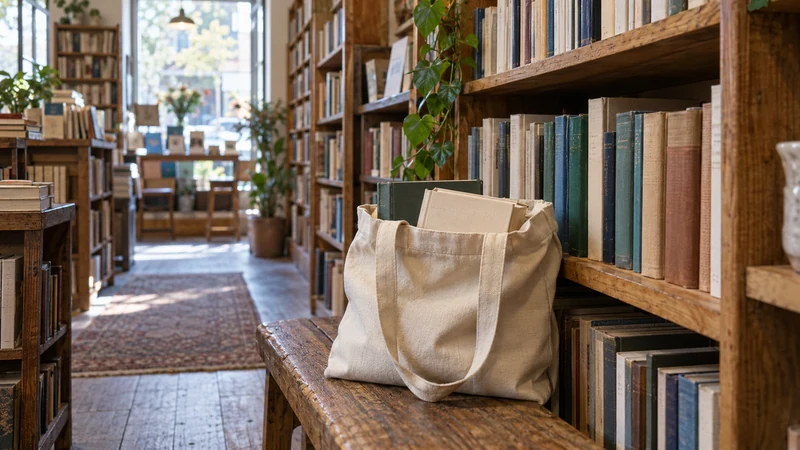
Look for a used copy
Used books are a good option when you want to own a readable copy and do not need an untouched edition. Browse Sustainable Books' used-book shop and read the individual listing before buying. Our stock changes, so an article recommendation does not promise availability.
Match the title, author, language, format, and edition. Read notes about annotations or wear. A cover image can illustrate a title without showing the exact copy for sale. When that distinction matters, ask the seller about the copy's condition.
For a course, check the required edition carefully. A cheaper older textbook can be the wrong purchase if assignments depend on different page numbers or revised material. Used shopping works best when you compare the book you will receive, not just the name on its cover.
Check the publisher for specialist subjects
A publisher's website can help you identify the right book and its available formats. Some publishers also sell directly. For sustainability subjects, New Society Publishers' overview describes its books on sustainability, social justice, and systems change.
Follow the publisher's current ordering information. Check the selected country, currency, delivery area, and return terms. A publisher's catalog is also useful when you decide to order through a local bookstore. Give the bookseller the ISBN for the edition you want.
Do not assume that buying directly always costs less or has a smaller environmental impact. Make that comparison from actual order details. If the website only directs you to retailers, use those links to find a suitable seller.
Borrow when ownership is unnecessary
A library is an alternative to a purchase when you want to read a book once, try an unfamiliar subject, or reduce the number of books you store. Search your own library's catalog and check its card eligibility, formats, and borrowing rules.
Toronto Public Library's OverDrive and Libby guide explains how cardholders can borrow digital books and audiobooks. It also links to device guidance. A digital format needs to work with the device you already use.
A loan is different from buying a permanent copy. Check availability and plan for its lending period. If you want to annotate a book heavily or consult it throughout a long project, ownership can be the more practical choice.
Compare a specific order
Use a short comparison rather than a long list of retailer names:
- Find the correct edition and format.
- Establish whether the copy is in stock or needs ordering.
- Compare the total price in the stated currency.
- Read the delivery estimate and return terms.
- Choose the option that fits your deadline and priorities.
These options do not form an ethical ranking of Amazon or other companies. They give you practical ways to choose where a particular book comes from. Recheck services before ordering, because stock and delivery arrangements change.
If a new purchase prompts a shelf clear-out, read how Sustainable Books handles donated books. Keeping readable copies in circulation can be part of the same thoughtful reading routine.