
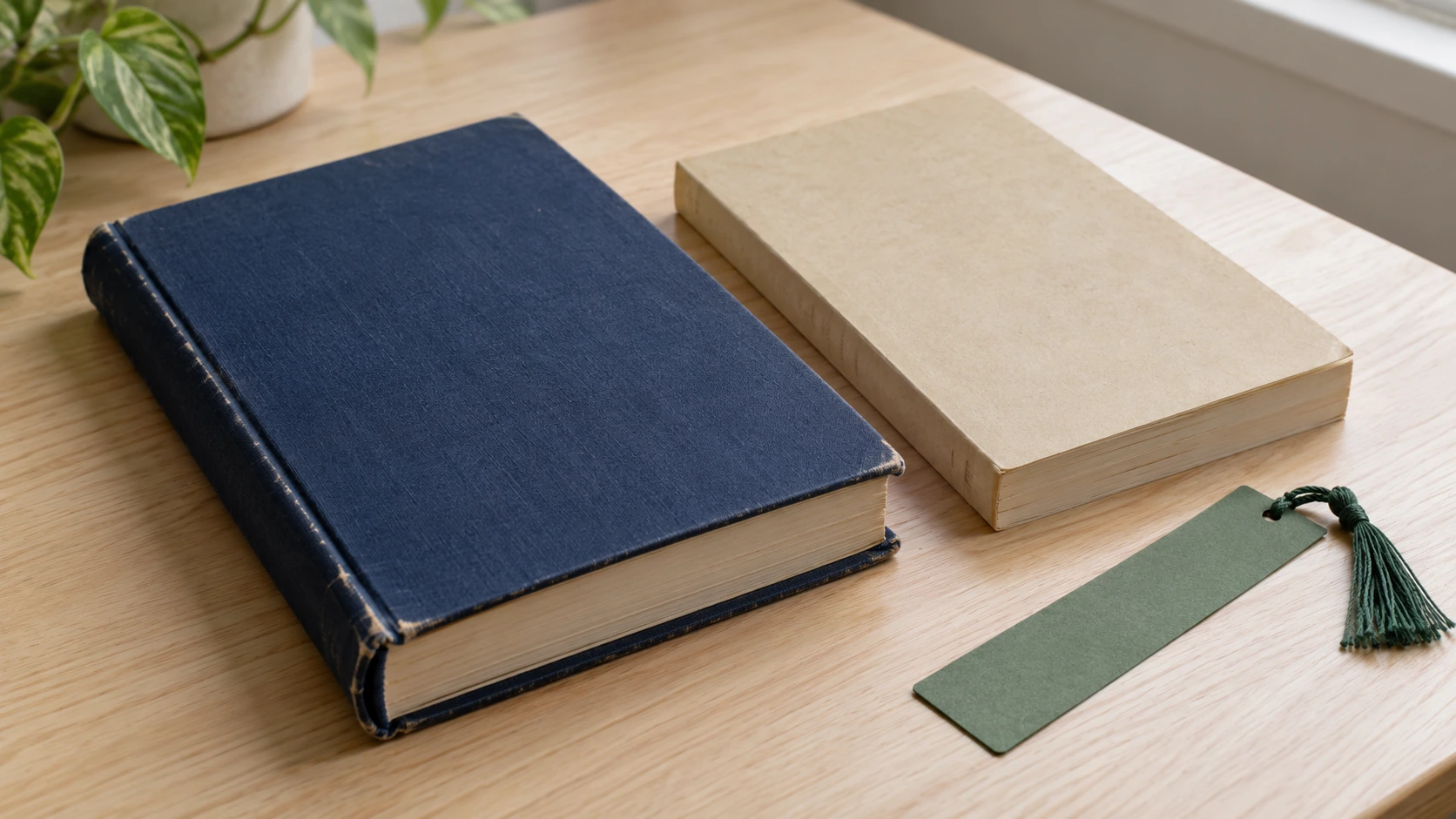
A used book does not need to look new to be a good purchase. It needs to contain the right material, stay together during ordinary reading, and meet your expectations. Check the edition and the seller's description first, then look at the pages, binding, and any disclosed defects.
Choose condition for the job. A worn novel can be fine for a weekend read. A gift, an illustrated reference book, or a collectible first edition calls for different checks. Decide what you can accept before a low price tempts you to overlook an important problem.
Confirm the edition and format
Match the author, title, language, and format. For a course or reference project, check the edition and ISBN. The International ISBN Agency explains that an ISBN identifies a specific title, edition, and format.
Check whether the listing describes a paperback, hardback, large-print edition, or another format. A familiar cover does not settle that question. Publishers can change cover designs, and a retailer's image can represent the title rather than the actual secondhand copy.
If maps, illustrations, a workbook, or companion material matter, ask whether they are present. Do not assume an access code works or that a used textbook includes unused digital access. Buy the material you need rather than an attractive cover with an incomplete description.
Read the condition note as well as the grade
Labels such as very good, good, or acceptable summarize condition. They are not substitutes for details. Read the seller's own definitions and any note attached to that copy.
AbeBooks' condition guide, for example, describes good copies as having ordinary wear and distinguishes the condition of a book from its dust jacket. That is one marketplace's guidance. Do not treat its terminology as a guarantee from every other seller.
A short note such as “underlining in three chapters” can be more useful than a high grade without explanation. Ask a specific question when the note is unclear. “Are any pages loose or missing?” is easier to answer than “Is this book nice?”
Separate cosmetic wear from reading problems
Light cover scuffs, a previous owner's name, or an evenly faded spine can be acceptable for a reading copy. Their importance depends on your purpose. Missing pages, unreadable text, or a detached section directly affect use.
- Pages: check for missing leaves, tears through text, staining, and markings that obscure information.
- Binding: look for loose sections, broken hinges, or a cover that separates from the book.
- Cover: distinguish surface wear from damage that prevents ordinary handling.
- Extras: check maps, foldouts, illustrations, or other material you need.
- History: read notes about library stamps, labels, inscriptions, and repairs.
An ex-library copy can still be useful. Expect the listing to explain relevant stamps, labels, or other marks. If you want a clean gift copy, say so before ordering. Neither an ex-library label nor an old publication date settles the book's readability.
Use photographs carefully
For a copy with a disclosed defect, a clear photograph can help show its extent. Ask for a view of the affected area when the seller offers copy-specific photographs. For a valuable collectible, ask about the exact edition and completeness as well.
A photograph cannot tell you everything. It can miss an odor, a loose section, or markings farther into the text. Read the description and return terms alongside the images. If the photos are of the exact copy, compare them with the written note.
Inspect gently when you can see the book
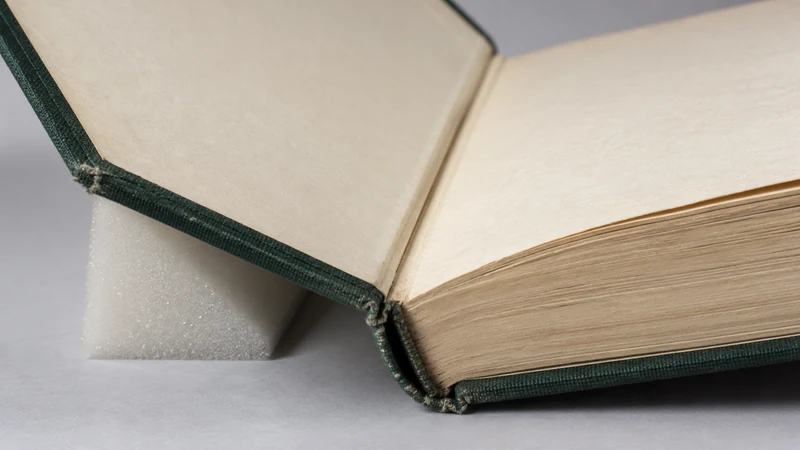
Open the book without forcing the spine flat. Support the covers and turn pages carefully. The Library of Congress handling guide recommends clean hands, a clean surface, and support for opened books.
Check the beginning, middle, and end, then inspect any important plates or foldouts. This is a practical sample, not proof that every page is perfect. If you notice dampness or suspicious growth, pause the purchase and ask about the condition rather than attempting a repair in the shop.
Ask before paying
When browsing used books at Sustainable Books, read each listing and the current purchase terms. For an unresolved question, contact our team with the title, edition, listing link, and the detail that matters to you.
A useful purchase is a copy you can read comfortably at a condition you knowingly accept. Asking one clear question before buying can prevent a disappointment that the broad condition label never explained.