
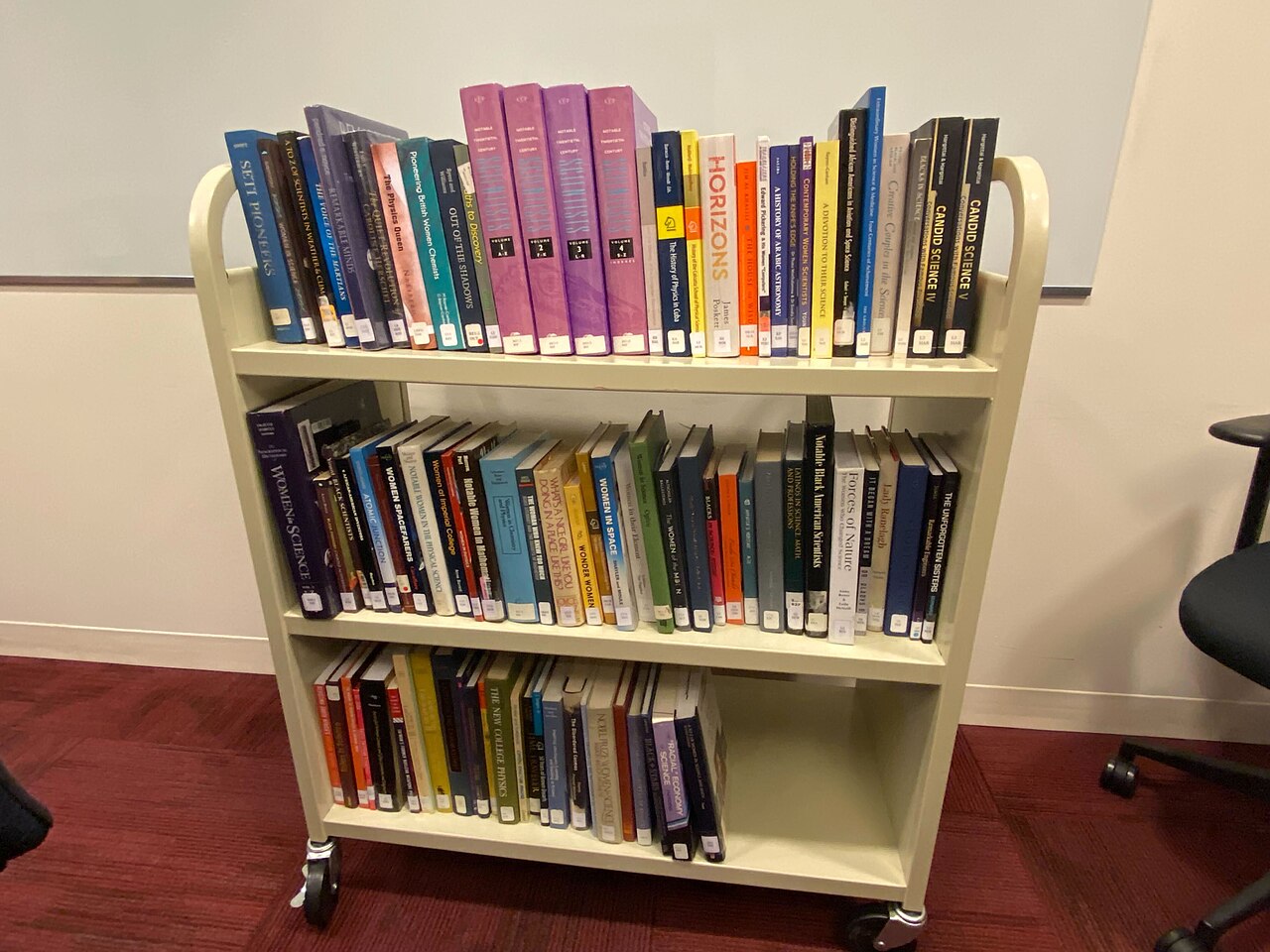
Take a dozen books you already have on the first round. If a resident asks for a large-print mystery, write both details down together. A tally that says “one request for mysteries” and “one request for large print” loses the information you need when you buy or borrow the books.
What to bring on the first round
Here is a sample mix for a cart with room for twelve books:
- Six for known requests. For example, three large-print mysteries, two gardening books with clear photos, and a short-story collection someone asked for.
- Six for browsing. Try a local history book, a biography, and a mix of genres or languages that residents have mentioned. A few slim paperbacks give people a choice if the hardcovers feel heavy.
Leave some space between books. Turn two or three covers outward where people can see them. At each stop, ask where readers can best reach the cart and offer to read a jacket description aloud. Give residents who miss a round a way to pass requests to staff.
Try the page, then check the edition
Open to the middle of the book. Is the type comfortable for the person who asked for it? Can they turn the page and hold the book where they usually read? An illustrated hardcover may work on a table. A lighter paperback might suit someone who likes to read in a chair. If you can, bring two editions of the same book and let the reader compare.
For a used copy, check that the pages stay in place and the binding opens easily. Look for notes or stains that cover words or illustrations. When buying remotely, ask for the edition or ISBN if the format matters. Our used-book condition guide explains what to inspect and what to ask a seller.
Turn the requests into a usable shopping list
On one line, put the count, subject, language, and any format the reader needs. Keep exact titles on their own lines, especially when someone asks for a sequel. Your list might look like this:
- 3 English-language mysteries in large print. Any author.
- 2 English-language gardening books. Photographs and readable captions preferred.
- 1 requested sequel. Confirm the title and edition before ordering.
Keep names and borrowing details in the community’s usual system. The person sourcing books needs the request, the rough quantity, and the budget. They do not need the borrowers’ names.
Decide what to borrow and what to buy
Before ordering a hard-to-find book, ask the local library whether it offers outreach. Ottawa Public Library’s Homebound Services, for example, serves eligible residents in retirement residences and long-term care facilities in Ottawa. Large-print books and audiobooks are among the available formats. Ask your library who can sign up and how returns work. Mark borrowed books so staff can keep them separate from the cart’s own stock.
After each round, record what went out and which requests are still open. If the large-print mysteries are gone by the first stop, set a few aside for the second stop next time. If a gardening title stays on the cart, try one with clearer photos or larger captions before cutting gardening from the list.
Ready to buy for several rounds? Tell us what you need for a bulk-book quote. Include the requests you need to fill, the choices where you have flexibility, and how many books you have room to display. We can check availability and discuss the selection before you order.
